By Breanna M. Little, LMSW
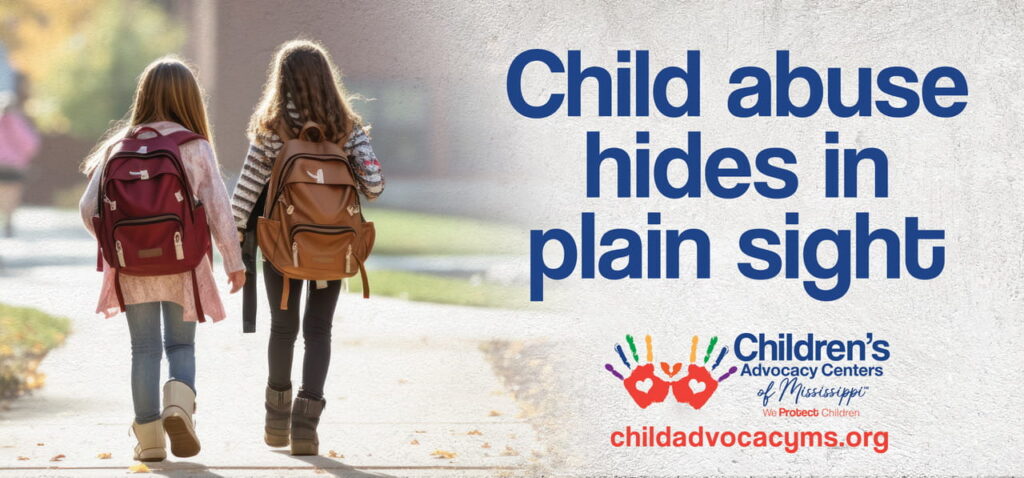
As a parent, think about the first signs that let you know your child is sick. It might be that they are more sluggish, they turn down their favorite food, or they suddenly won’t leave your side. Regardless of what the specific sign may be, you know early on in your gut that something is wrong with your child. This same concept applies when we’re talking about signs of sexual abuse.
To recognize signs of abuse, parents and caregivers must first become educated on the topic. Seek out educational articles and classes that better prepare you to safeguard your children and confidently recognize warning signs. Education is key since the majority of society has an outdated or jaded perception of child abuse.
The most recent statistics show that 90 percent of children know their abuser personally, with 30 percent being family and 60 percent being an acquaintance (i.e., a coach, teacher, neighbor, etc). This defies what we have been taught in the past. More often than not, we need to be extra cautious with those we know and trust while being more alert to our children’s moods and behaviors.
As emphasized in trainings by Darkness to Light, an organization aimed at preventing child sexual abuse, signs of abuse are not always obvious, but they are often present. Because every child responds to trauma differently, there is no definitive checklist of symptoms that confirms abuse.
Contrary to common belief, direct physical symptoms of child sexual abuse are rare. If physical signs are present, they may include injuries to the genital area, difficulty urinating, symptoms of a sexually transmitted infection, frequent urinary tract infections, or abnormal discharge.
Because physical symptoms are less common, we must be in tune with our children to recognize emotional and behavioral signs. Emotional and behavioral signs may include changes in mood, anxiety and depression, sleep disturbances, lack of interest in activities they used to enjoy, poor self-esteem, and risky behaviors. Some children may also react with perfectionistic tendencies and overly compliant behavior. Oftentimes, these children slip further under the radar because they do not exhibit disruptive or negative behaviors.
Older children in particular are more likely to engage in risky behaviors such as experimenting with substances, running away from home, or engaging in sexual activities. They may also become more withdrawn from friends and family and have a higher risk of self-harm behavior, such as cutting and burning. Younger children are more likely to regress in behaviors such as talking like a baby or reverting to wetting their pants or bed. They may also re-enact experiences of abuse through play because they don’t have the language to describe what happened.
While signs may differ from child to child, trust your instincts. If something feels off, don’t ignore it. Your child’s safety always comes first.

Breanna McQuirter Little, LMSW, is a training coordinator with Children’s Advocacy Centers of Mississippi, supporting statewide training for child abuse professionals. A Pearl native, she earned her BSW from Mississippi State University and her MSW at The University of Southern Mississippi. She enjoys time with her husband, loved ones, and their two dogs, Blair and Ani.